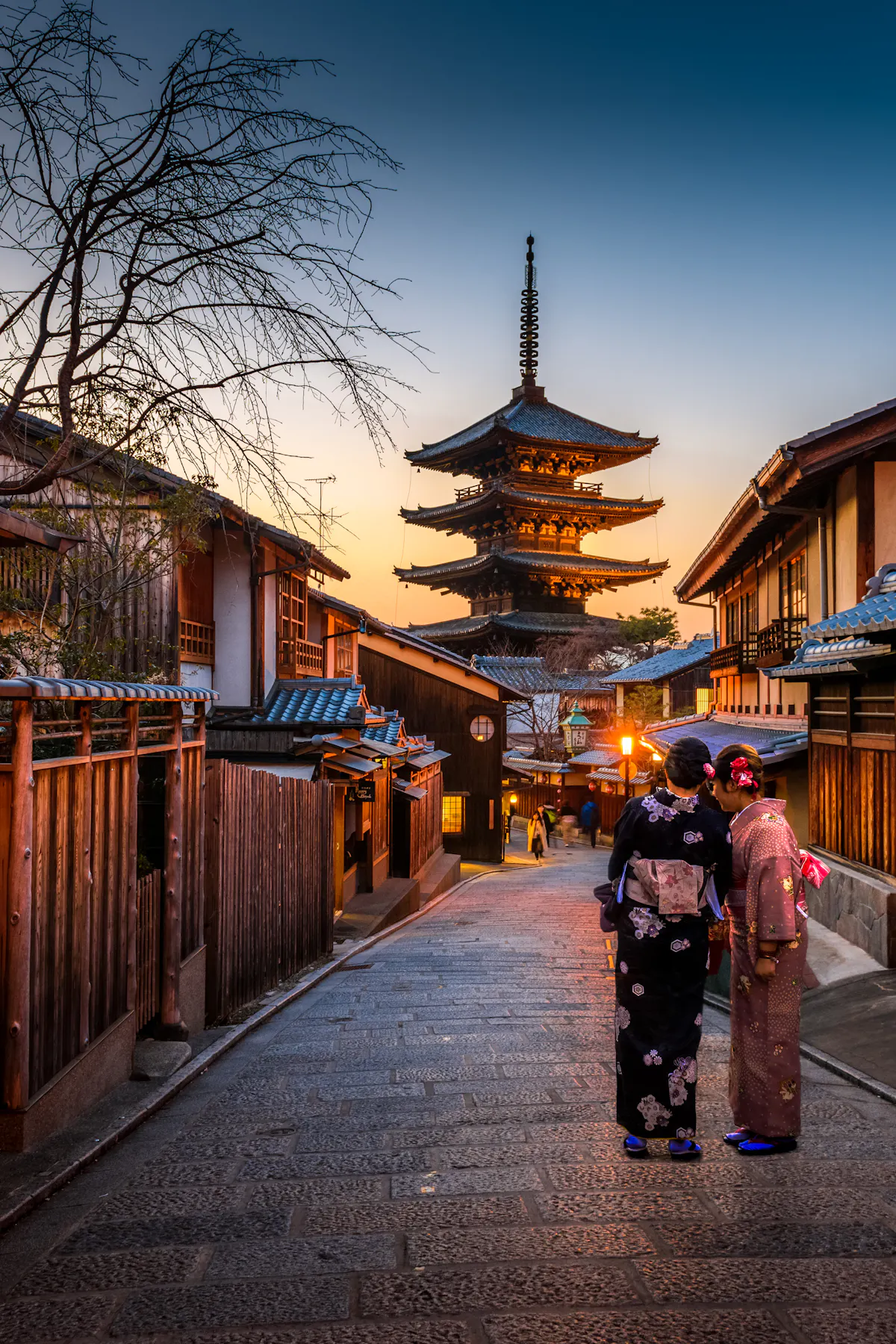
Japanese Style Balcony Decor: 17 Best Ideas for a Zen Outdoor Space
Japanese style balcony decor works especially well in small apartments because it is rooted in restraint, balance, and quiet atmosphere rather than decorative excess. Instead of crowding every square foot with bulky patio sectionals, it focuses on a few calming materials, low-slung seating, gentle lantern light, and natural texture. That makes it ideal for a compact urban balcony that needs to feel like a peaceful outdoor retreat without looking cluttered.
A Zen-inspired balcony does not need to copy a formal temple garden or become overly themed. The goal is much simpler: create an edited, grounded space where stepping outside feels like an immediate sensory reset. Even a narrow three-foot concrete corridor can deliver that serenity when you style with intention, negative space, and honest materials.
Renter Note: If your lease restricts drilling into masonry or altering exterior railings, explore our curated guide to renter-friendly balcony ideas for clamp-on, zero-damage solutions. For overall floor layout strategies, see our foundational guide to small apartment ideas.
What Is Japanese Style Balcony Decor and Why Does It Work?
Japanese style balcony decor is a calm, minimalist approach to outdoor styling that combines natural wood, bamboo, stone, neutral textiles, and sculptural greenery into a balanced, functional layout. By drawing on Japanese design traditions—specifically wabi-sabi (appreciating natural simplicity and imperfect textures) and ma (the intentional use of negative space)—this aesthetic turns small apartment footprints into tranquil zones.
In high-density apartment living, outdoor visual noise is constant. Between neighboring towers, traffic sounds, and rigid metal railings, an outdoor space can easily feel cold and exposed. Embracing authentic Japanese style balcony decor softens those harsh architectural lines with warm cedar decking, slatted bamboo screens that filter sightlines, and low-profile benches that keep your visual horizon open. To see how this compares to other space-saving layouts, check out our guide to apartment balcony ideas and our latest guide on compact balcony bar ideas.
Table of Contents
- Quick Wins for a Japanese-Inspired Balcony
- Zen Balcony Material & Layout Matrix
- 17 Japanese Style Balcony Decor Ideas
- Zen Balcony Principles at a Glance
- Frequently Asked Questions
- Design Notes, Balcony Safety, and Renter Regulations
- Final Thoughts on Zen Balcony Styling
Quick Wins for a Japanese-Inspired Balcony
If you want to introduce serene Japanese style balcony decor to your rental this weekend without an expensive overhaul, start with these seven high-impact, minimalist moves:
- Commit to a Quiet Palette: Build around warm beige, charcoal, soft moss green, weathered wood, and off-white. Avoid loud primary accents.
- Choose One Low Seating Piece: Replace multiple upright chairs with a single low cedar bench or a pair of weather-safe floor cushions.
- Add Natural Tactile Textures: Layer bamboo screening, interlocking wood deck tiles, unpolished river pebbles, and matte ceramic planters.
- Preserve One-Third Open Floor Area: Leave at least 30% to 40% of the deck completely empty so the balcony maintains breathing room.
- Feature One Sculptural Plant: Select a single elegant bonsai, Japanese maple, or dwarf olive tree instead of a cluttered cluster of plastic pots.
- Favor Low, Diffused Glow: Use warm 2700K rechargeable table lanterns or paper-style solar lights near the floor rather than harsh overhead fixtures.
- Establish One Strong Focal Point: Let one special element lead—such as a small stone water basin or a tea tray—and keep everything else intentionally restrained. For more lease-friendly styling, browse our favorite renter-friendly decor ideas.

Zen Balcony Material & Layout Matrix
Balancing textures is essential to Japanese minimalism. Use this quick reference matrix to match natural materials with their functional purpose in a small apartment space:
| Design Element | Recommended Material | Zen Aesthetic Function | Small Balcony Benefit |
| Flooring | Interlocking Teak / Acacia Tiles | Grounds the space with organic warmth | Covers cold concrete slabs; preserves water drainage |
| Privacy Screen | Natural Bamboo / Reed Roll | Diffuses direct sunlight and neighbors’ view | Lightweight, renter-friendly, zero structural drilling |
| Seating | Low Cedar Bench / Floor Cushions | Lowers visual horizon, encourages calm posture | Maintains open sightlines; fits narrow walkways |
| Focal Greenery | Bonsai / Japanese Maple / Dwarf Bamboo | Celebrates natural organic form and seasonality | Single container footprint prevents plant clutter |
| Atmospheric Lighting | Cordless Paper-Style Lanterns (IP65) | Casts gentle, contemplative evening shadows | Eliminates hazardous outdoor extension cords |
| Tactile Detail | Shallow River Stone Tray | Introduces grounded earth and meditative calm | Contains stone neatly without clogging deck scuppers |
17 Japanese Style Balcony Decor Ideas for Small Apartments
1. Start with Low, Grounded Seating
Low seating is a cornerstone of authentic Japanese style balcony decor. By lowering your center of gravity, a low wooden bench, platform seat, or thick floor cushion creates a quieter relationship with the floor. In a compact apartment balcony, low-slung furniture leaves the top two-thirds of the wall space unobstructed, which makes narrow dimensions feel surprisingly spacious.
Actionable Tip: Choose one streamlined low bench with clean joinery rather than multiple bulky armchairs that compete for clearance. For very tight footprints, explore our dedicated ideas for tiny balcony ideas.
2. Use Bamboo or Reed Screening for Soft Privacy
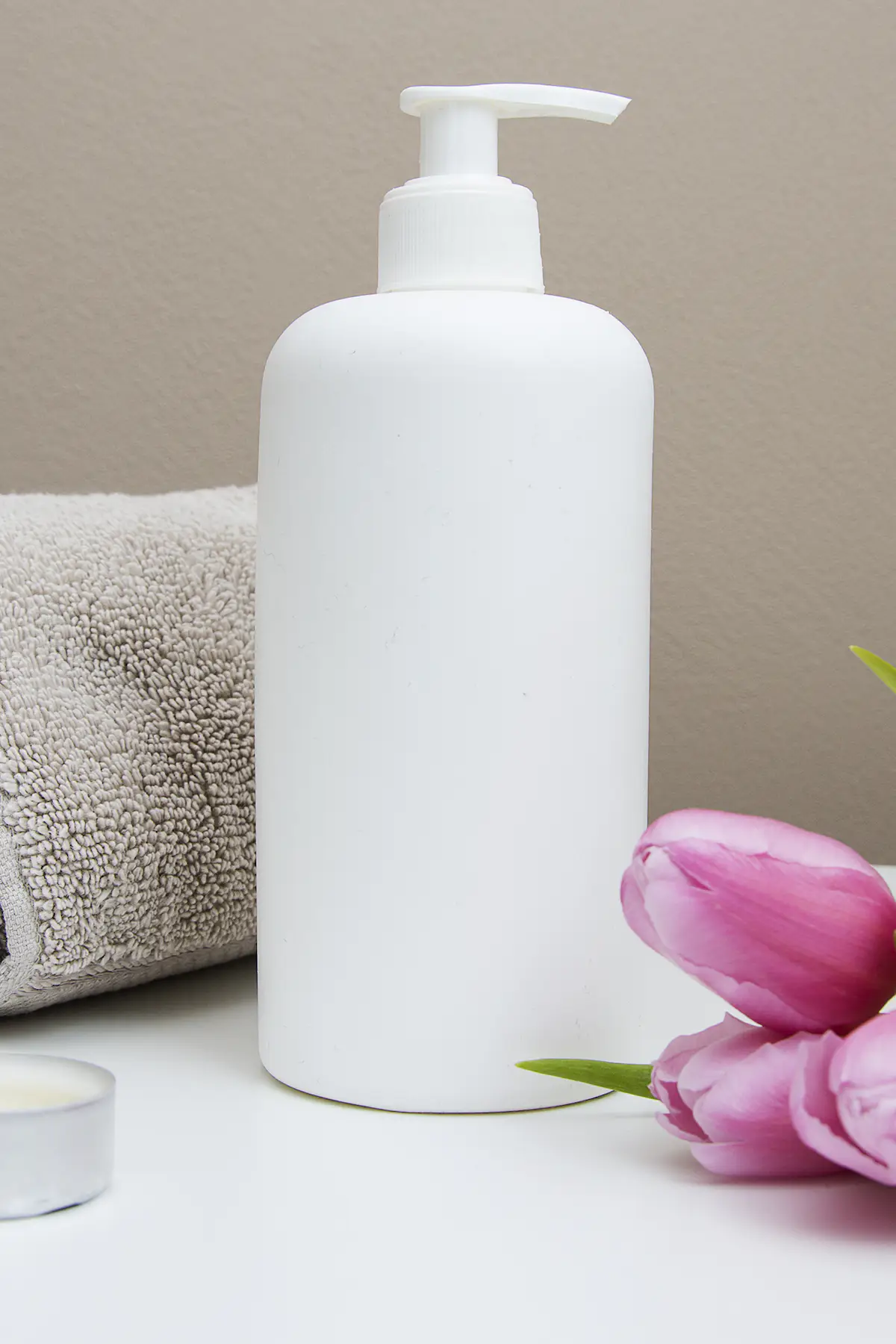
A true Zen balcony should feel like a secluded sanctuary, not an exposed fishbowl. Natural bamboo or peeled reed fencing provides organic screening that filters sightlines from neighboring high-rises while permitting gentle breezes to flow through. Because bamboo is lightweight, you can secure it neatly to existing metal balusters using weather-rated black zip ties without causing lease damage.
Actionable Tip: Screen only the single wall or railing section where privacy feels uncomfortable rather than boxing in the entire balcony. To see more renter-safe shielding techniques, check out our guide to balcony privacy tips.
3. Add Wood Deck Tiles for Warmth Underfoot
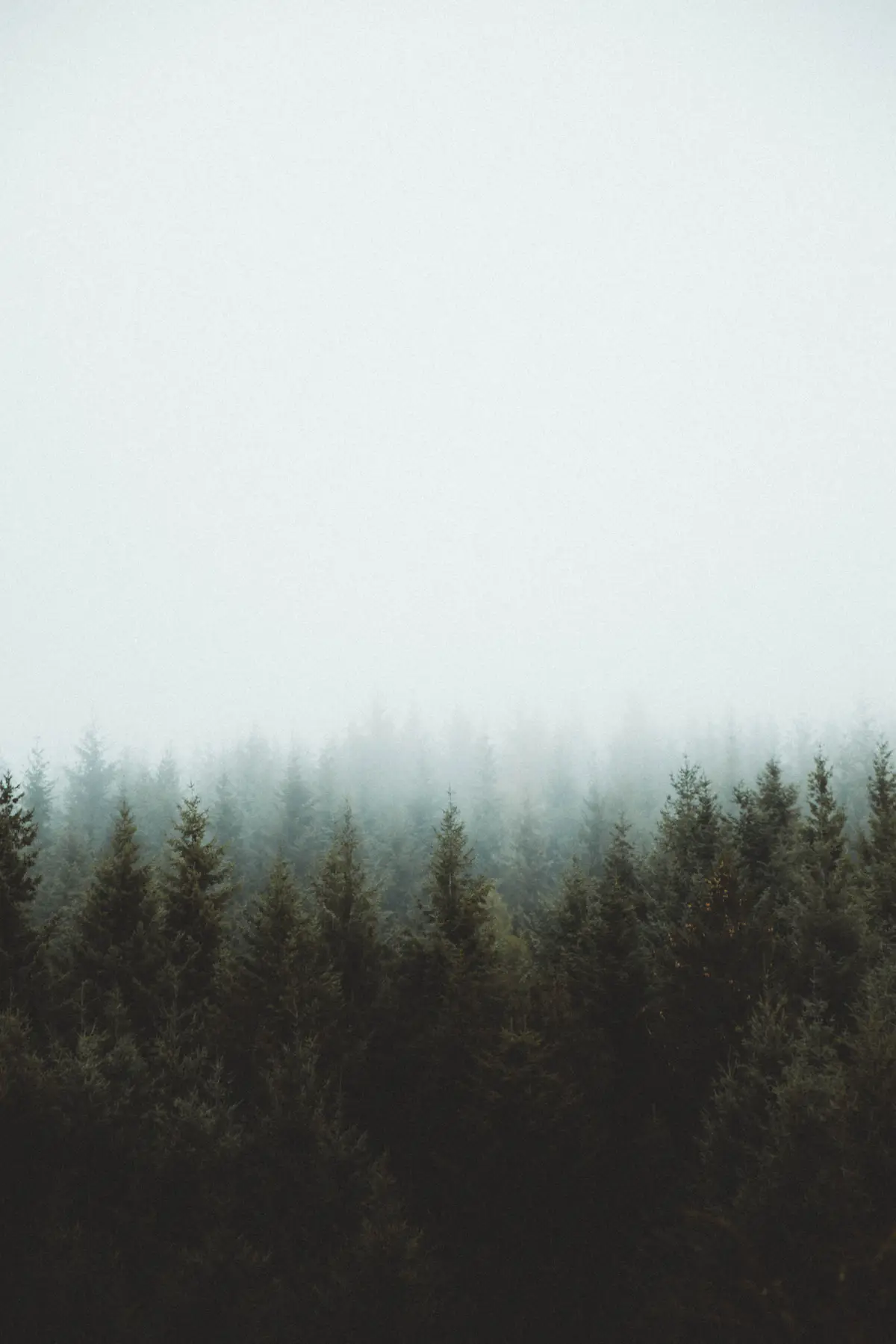
Cold, stained concrete floors can quickly break a serene aesthetic. Interlocking acacia or composite wood deck tiles instantly transform raw concrete into a polished, tactile surface reminiscent of a Japanese engawa (exterior veranda). High-quality tiles feature plastic mesh undercarriages that allow rainwater to pass freely to your balcony’s drainage points.
Actionable Tip: Opt for a natural matte mid-tone wood finish rather than a high-gloss stain, which looks artificial under bright natural sunlight.
4. Keep the Color Palette Soft and Restrained
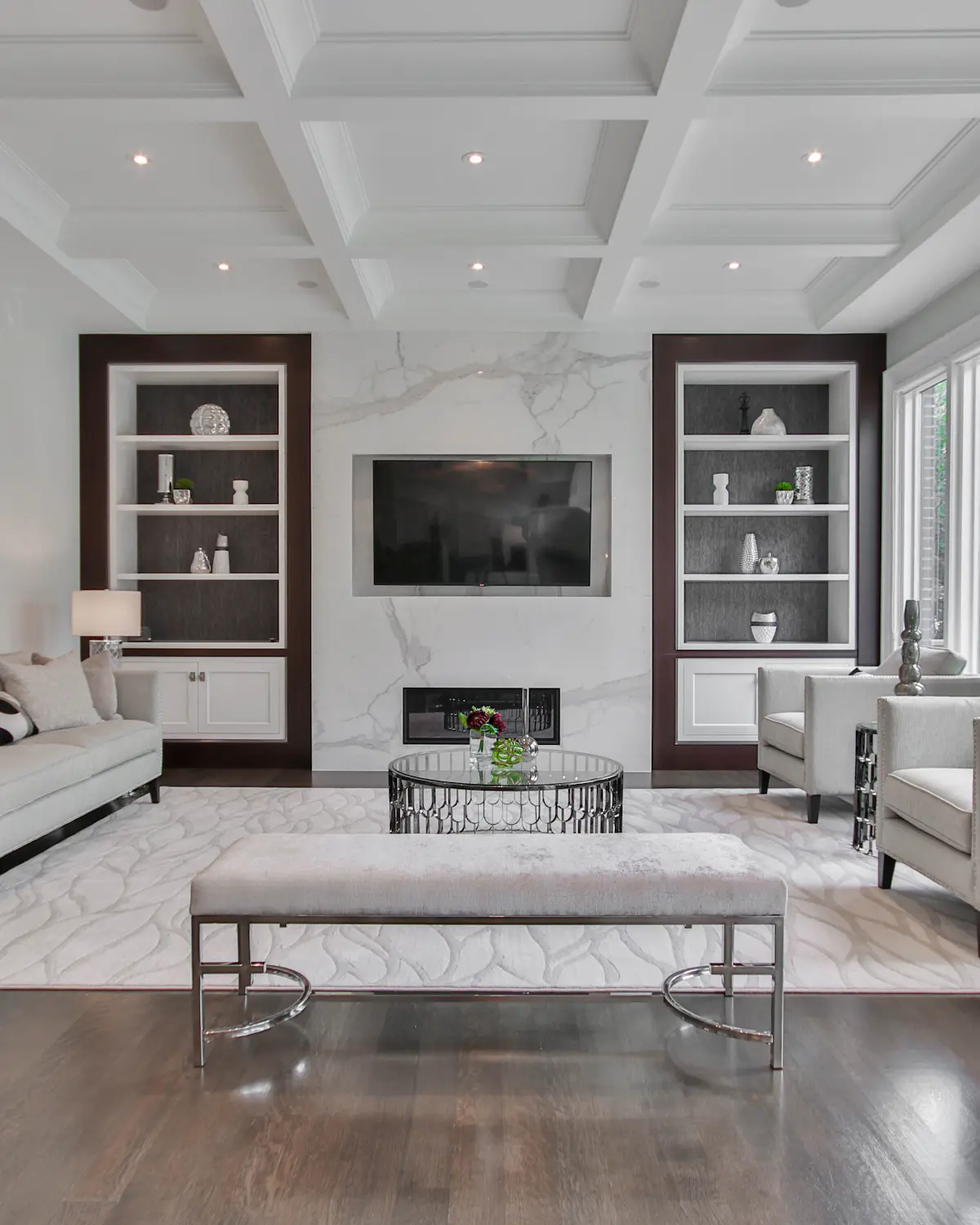
Mastering Japanese style balcony decor requires editing out color clutter. Limit your palette to three or four harmonious nature-inspired tones: natural warm cedar, charcoal or slate gray, sand beige, and deep moss green. When colors do not fight for dominance, your eye can rest, and the entire balcony feels twice as spacious.
Common Decor Mistake: Introducing loud neon outdoor cushions or contrasting patterned throws that turn the balcony into a chaotic collage.
5. Use One Sculptural Plant Instead of Many Small Pots
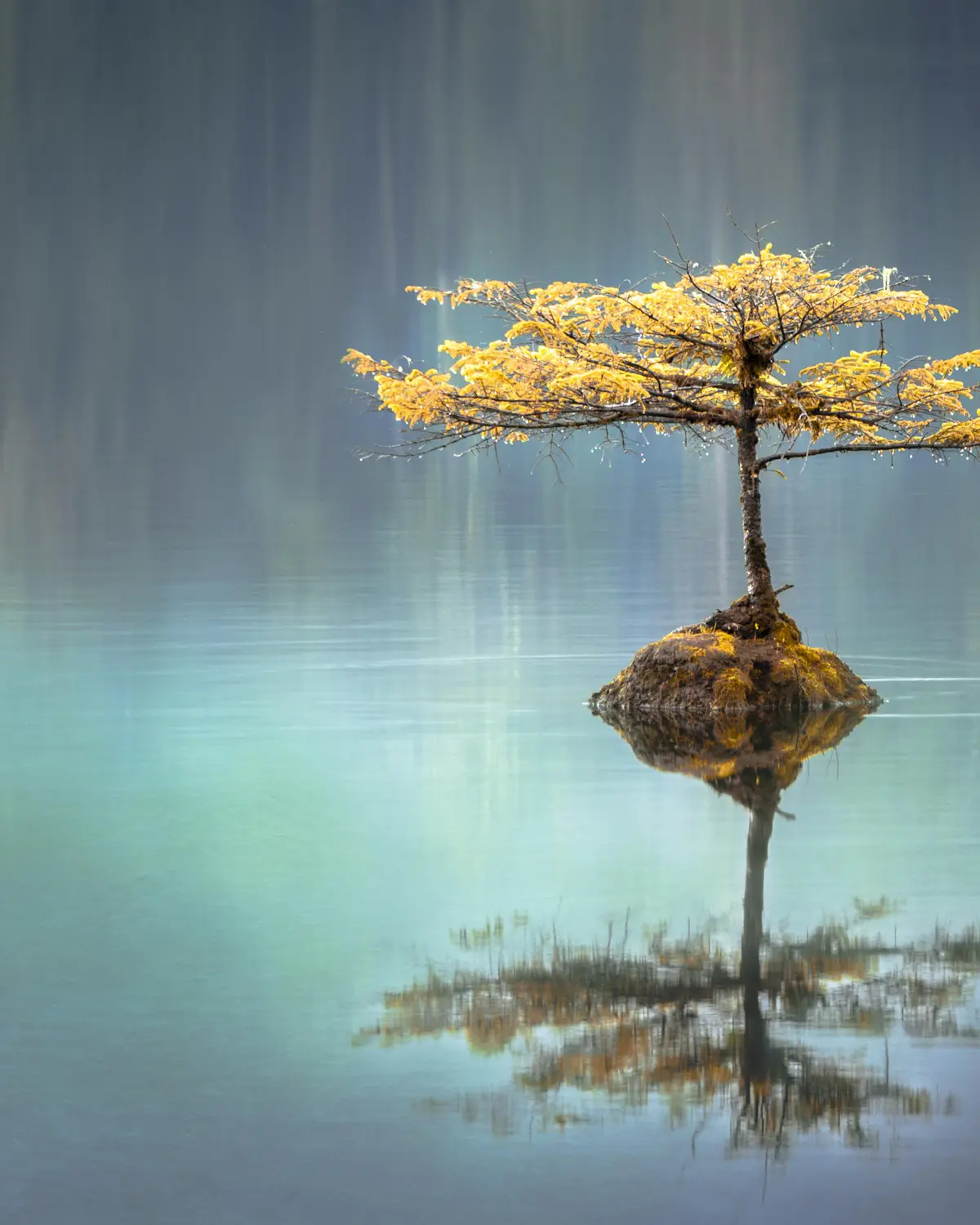
In traditional Japanese gardens, planting is about architectural silhouette, seasonal transition, and negative space rather than wild jungle abundance. A single well-shaped bonsai, a dwarf Japanese maple (Acer palmatum), or a sculptural olive tree creates far more visual impact than a dozen tiny plastic pots scattered across the deck. For proper pruning and potted tree care, review the official container tree guidelines from the Royal Horticultural Society (RHS).
Actionable Tip: Position your sculptural plant where its branches are framed nicely through your living room glass door, creating an uninterrupted indoor-outdoor view.

6. Introduce Stone Through a Tray or Topdressing
You don’t need tons of heavy gravel or a complex rockery to bring the grounding energy of stone into your design. A shallow stoneware tray filled with smooth Mexican beach pebbles or pale river stones delivers the meditative texture of a karesansui (dry rock garden) in a tidy, manageable form. You can also use fine pea gravel as a clean decorative topdressing inside your large planter.
Safety Note: Always keep stones contained within rimmed trays or pots so loose pebbles cannot roll toward drains or become tripping hazards.
7. Create a Compact Tea Corner
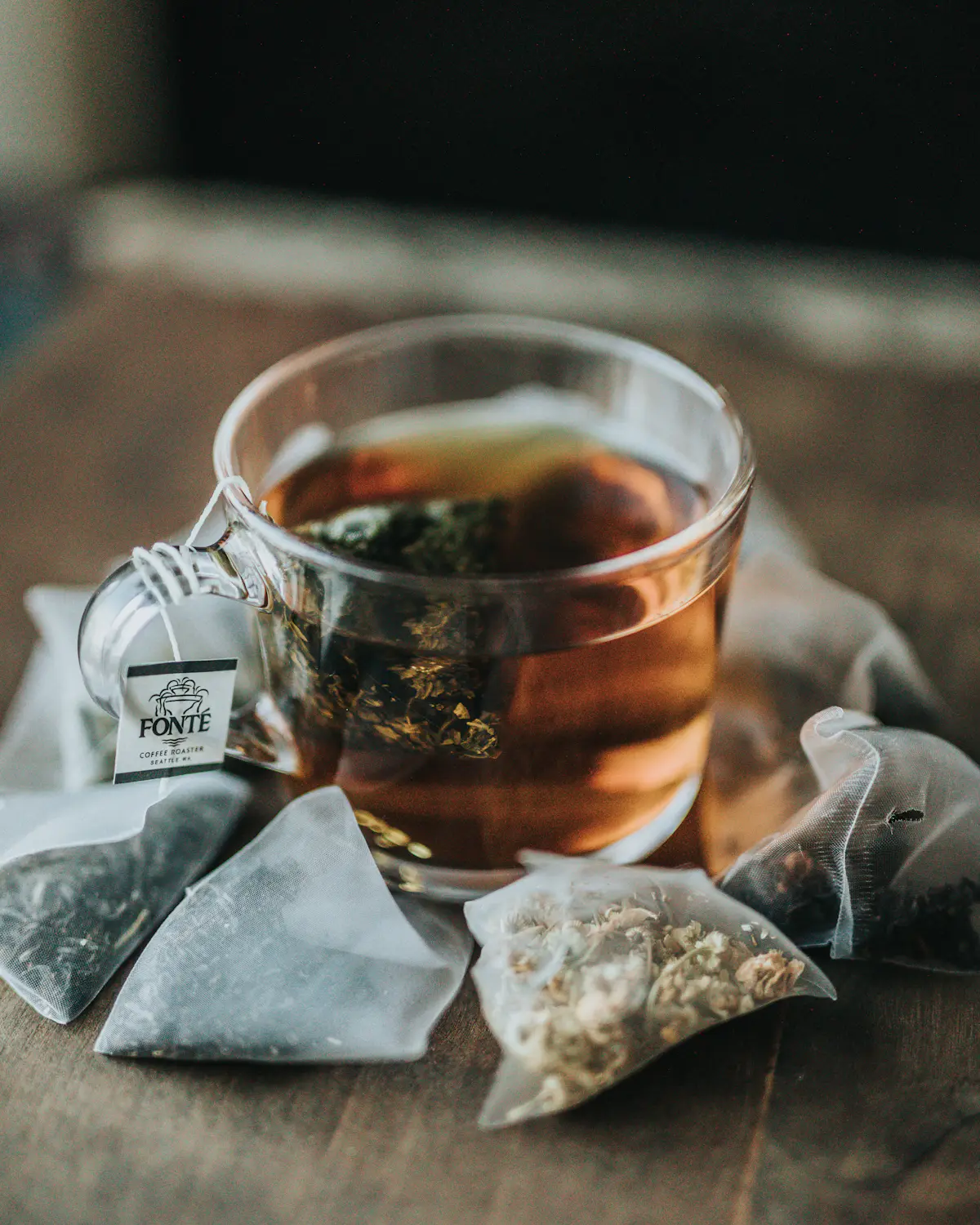
A dedicated tea corner gives your balcony a daily grounding ritual. All you need is a low wooden table (or an inverted slatted crate), a pair of neutral linen-look floor cushions, and a simple ceramic teapot. Savoring morning matcha or green tea outside establishes a mindful rhythm that separates your workday from home life.
Actionable Tip: Choose an outdoor-safe round or low rectangular table no wider than 20 inches to preserve walking clearance on narrow balconies.
8. Use Lantern-Style Lighting Instead of Overhead Glare
Lighting is central to Japanese style balcony decor. Harsh exterior floodlights instantly destroy a meditative evening atmosphere. In Japanese architecture, light is filtered, indirect, and positioned low to the ground (an aesthetic celebrated in Jun’ichiro Tanizaki’s classic essay In Praise of Shadows). Incorporate paper-style solar lanterns, wooden slatted lanterns, or rechargeable LED table lights set to a warm 2200K–2700K amber glow. For complementary indoor lighting concepts, explore our guide to cozy apartment aesthetic ideas.
9. Let Negative Space Do Part of the Decorating
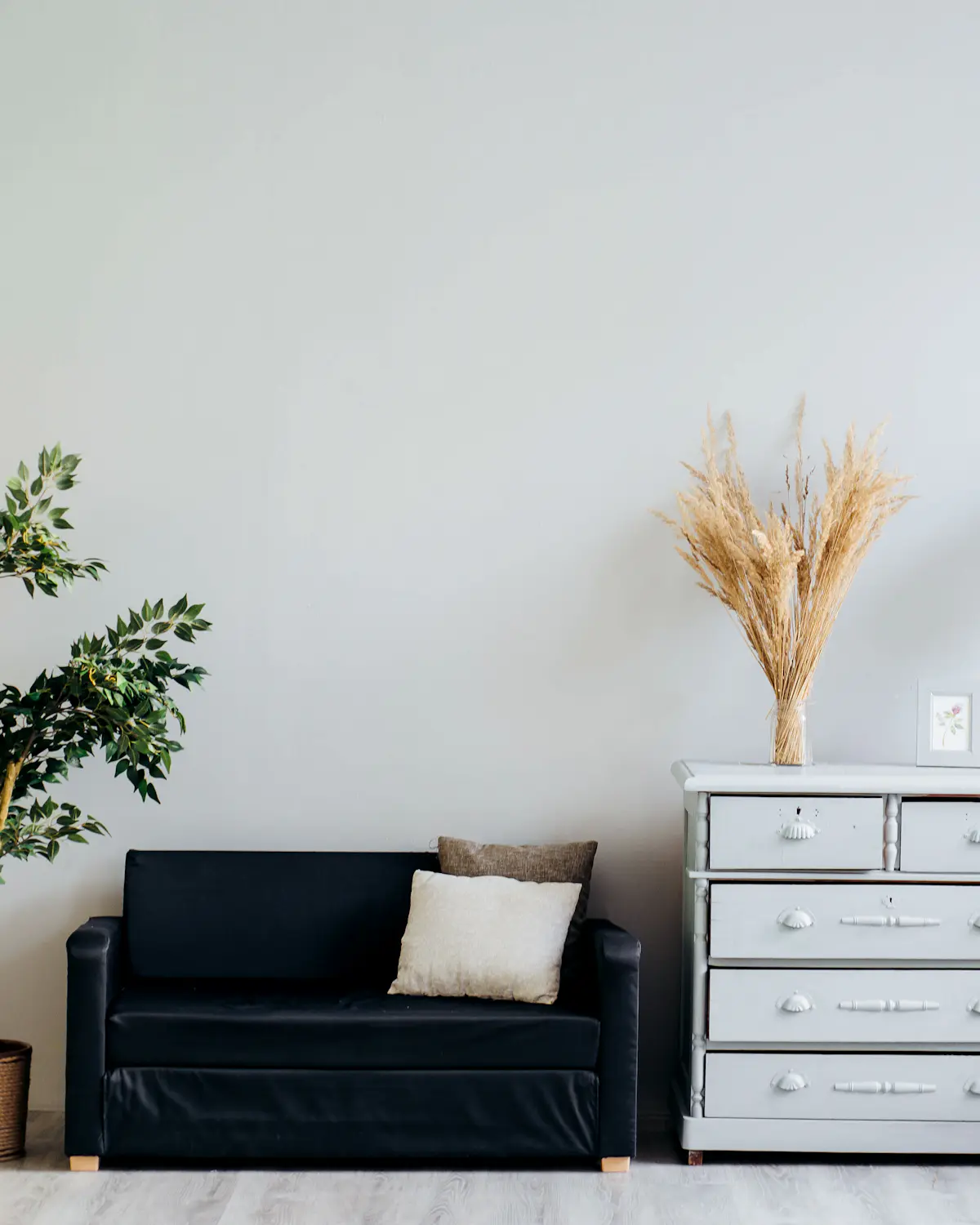
The concept of ma (negative space or pause) teaches that empty space is not wasted space—it is the very element that gives meaning to the objects around it. When you resist the urge to place furniture in every corner, your balcony feels airy, uncluttered, and restorative. An open patch of wood decking allows your eyes to breathe and makes moving around effortless.
Stylist Rule: After styling your balcony, take a step back and remove at least one non-essential item. Simplicity always looks more sophisticated.
10. Add a Noren-Style Fabric Panel or Soft Divider
A natural linen or hemp fabric panel inspired by traditional Japanese noren curtains adds soft acoustic buffering, gentle motion, and subtle privacy. Hanging a neutral split curtain over an exposed side railing softens breezy crosswinds and creates a gentle threshold between the interior and exterior world.
11. Use Asymmetry Instead of Perfect Matching
Western outdoor design often defaults to rigid symmetry: two identical chairs flanking a centered table with matching pots. Japanese design, by contrast, embraces natural asymmetry (fukinsei). Pair a low cedar bench on the left wall with a single tall ceramic planter on the right. This organic visual balance feels much more relaxed and natural.
12. Choose Matte Ceramics Over Shiny Accessories
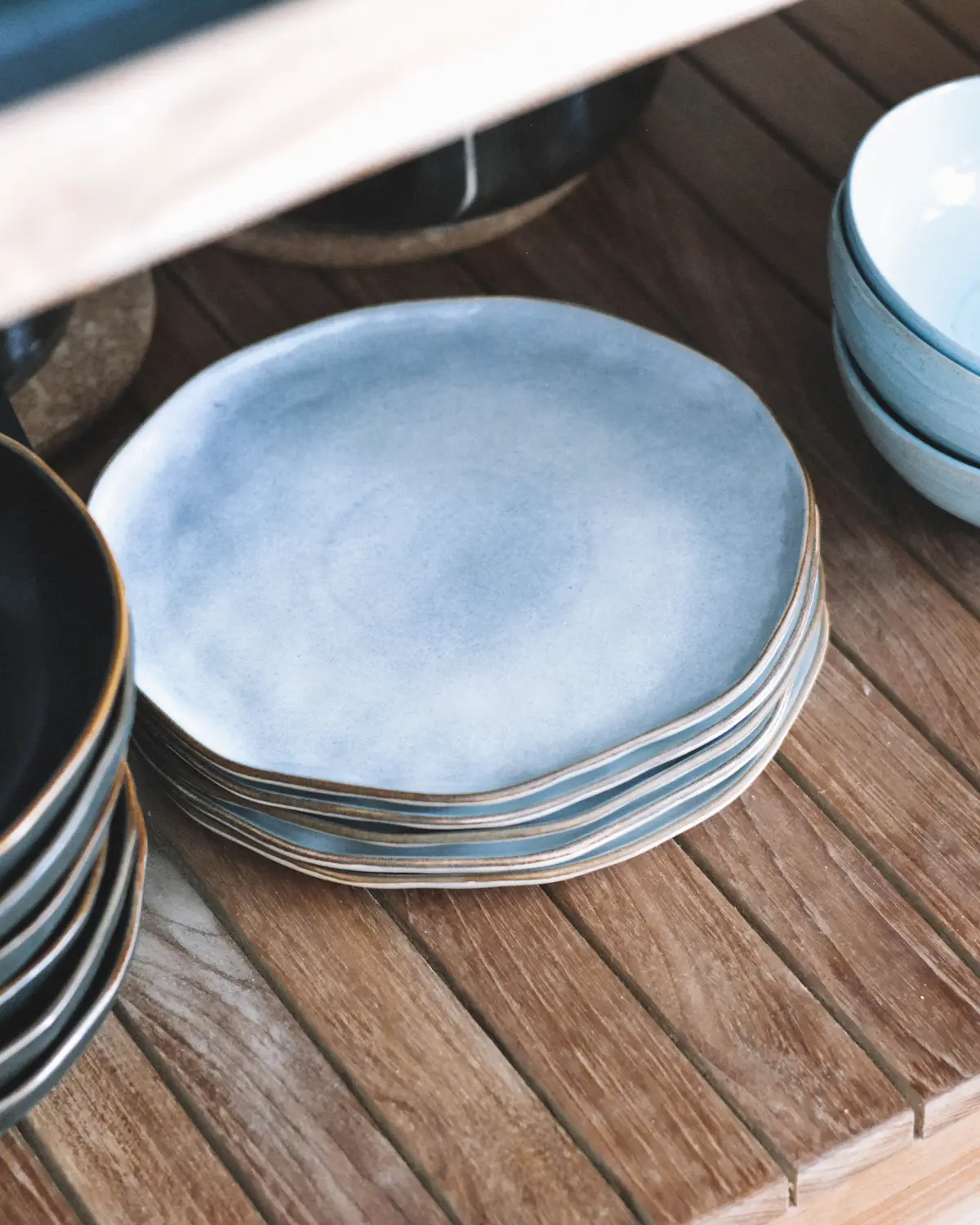
When curating Japanese style balcony decor, textured stoneware outperforms high-gloss plastic or reflective metals. Choose unglazed terracotta, coarse stoneware, or matte charcoal ceramic vessels. Tactile, organic pottery reflects the wabi-sabi philosophy, aging gracefully with natural patina as it weathers outdoors.
13. Add One Small Water-Inspired Element
The sound and reflection of water bring immediate tranquility to an urban environment. You don’t need a heavy masonry fountain; a small solar-powered bamboo spout (shishi-odoshi) nestled inside a shallow ceramic basin provides gentle bubbling that masks harsh street traffic. Keep the pump on a whisper-quiet setting so it remains an ambient backdrop rather than an overwhelming distraction.
14. Use Floor Cushions Selectively
Water-resistant floor cushions (zabuton style) provide flexible extra seating that tucks away easily. Choose solution-dyed acrylic or olefin fabrics in oatmeal, flax, or charcoal tones. High-density quick-dry foam ensures the cushions don’t hold moisture after sudden rainfall.
15. Hide Storage and Keep Clean Lines
Visual clutter is the enemy of calm. Exposed watering cans, potting soil sacks, and outdoor slippers instantly break a minimalist atmosphere. Invest in a slim cedar storage bench with a hinged lid to conceal all utility supplies out of sight while doubling as extra seating.
16. Let One Meaningful Object Become the Focal Point
In small-space Japanese style balcony decor, restraint makes individual objects more powerful. Rather than scattering dozens of knick-knacks, choose one meaningful piece to anchor the balcony: an antique stone lantern (ishidoro), a miniature stone basin (tsukubai), or a beautifully carved wooden stool. Let this single focal point command quiet attention.
17. Style the Balcony for Dusk, Not Just Daytime
Most urban dwellers use their balconies after work hours. Plan your lighting and comfort specifically for twilight: warm lanterns cast subtle glowing pools on wood tiles, outdoor throws provide cozy warmth, and the evening breeze creates a deeply meditative end-of-day decompression zone.
Zen Balcony Principles at a Glance
Whenever you are curating Japanese style balcony decor for your outdoor space, run every new item through this simple design checklist:
- Ground the Floor: Natural wood deck tiles or woven tatami-style outdoor mats soften hard concrete.
- Lower the Sightline: Benches, stools, and floor cushions keep the visual horizon open and airy.
- Restrain the Palette: Stick strictly to stone, sand, weathered wood, charcoal, and soft botanical greens.
- Prioritize Form Over Numbers: One sculptural tree delivers ten times the peace of a crowded plant collection.
- Honor Negative Space: Leave clear floor zones to give your mind and body breathing room.
- Layer Soft Lighting: Place warm amber lanterns low on the deck rather than glaring overhead spotlights.
Frequently Asked Questions
Practical answers on Japanese style balcony decor, renter safety, plant selections, and small-space minimalism.
Design Notes, Balcony Safety, and Renter Regulations
Before installing heavy materials or water fixtures on an urban balcony, always review practical structural parameters:
- Balcony Weight Limits: Most modern residential balconies carry an engineered live-load rating between 40 to 60 lbs per square foot. Avoid solid stone boulders or giant concrete basins; choose lightweight fiberglass or resin planters with stone topdressing.
- Drainage Clearance: Ensure deck tiles and stone trays do not obstruct balcony scuppers or drainage channels. Trapped standing water can damage waterproofing membranes.
- Wind Precautions: At high elevations, wind gusts accelerate. Anchor bamboo screens securely with heavy-duty UV-resistant cable ties, and choose low-profile weighted pots that won’t tip in storms.
Final Thoughts on Zen Balcony Styling
The most appealing Japanese style balcony decor doesn’t depend on square footage or a lavish budget—it relies on mindful restraint. When your materials feel natural, your palette stays grounded, and your layout leaves ample room to breathe, even the most compact urban apartment balcony can become a private Zen sanctuary that restores your spirit every single day.
 | Article Written by Claire BennettClaire is the founder and interior styling writer behind The Decor Nook, where she focuses on smart proportions, layered lighting, renter-friendly upgrades, and practical ways to make compact homes feel comfortable and functional. |